When structural design meets machine learning
When structural design meets machine learning
Official Account: Non-Deconstructive · Author: Zhou Wenqi (Venchy)
For the majority of structural engineers, machine learning seems to be a word that is both far away and very close to us. It is said that it is far away from us because most engineers have only heard of some related concepts in general. They only know that it is widely used in scenarios such as image recognition and semantic recognition, but they do not understand how useful these so-called machine learning can be in our actual work. It is said that it is very close to us because there are many blustery Internet articles at the moment saying that AI will be used to generate drawings, replacing the work of engineers at every turn, and selling all kinds of anxiety.
So what exactly is machine learning?
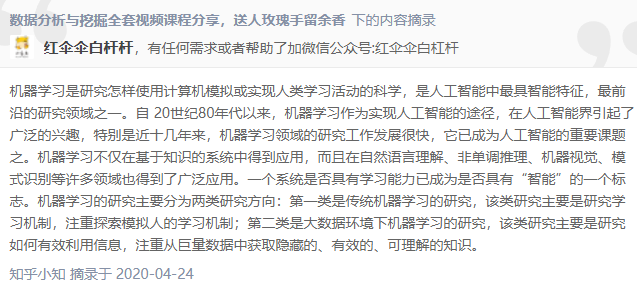
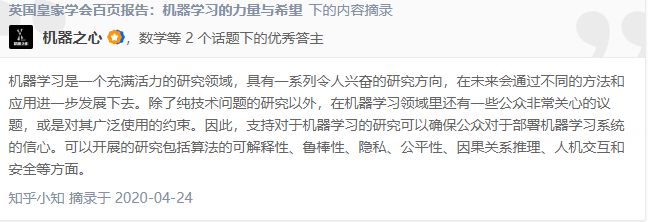
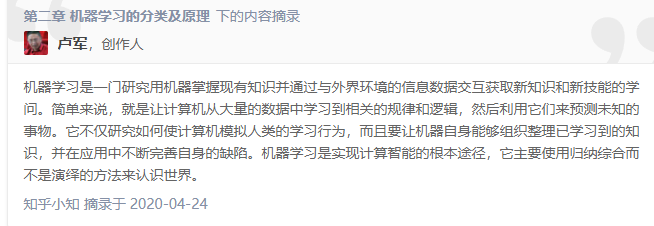
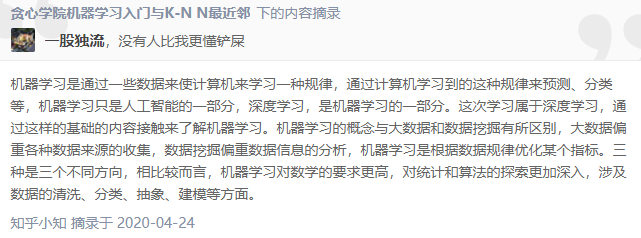
Let’s take a look at the definition of machine learning written by various experts on Zhihu. To summarize, it is to let computers use algorithms to extract, analyze and generate useful information for users from a pile of existing data.
Let’s take a look at the table of contents of a book introducing machine learning:
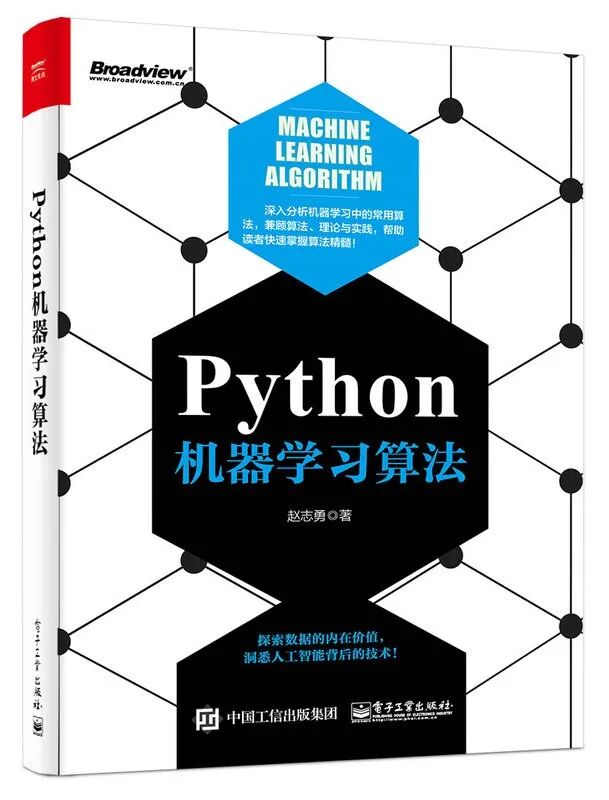
Python machine learning algorithm directory 0 Introduction 1 Part 1 Classification Algorithm 1 Logistic Regression 10 2 Softmax Regression 27 3 Factorization Machine 40 4 Support vector machines 58 5 随机森林 89 6 BP neural network 114 Part 2 Regression Algorithm 7 Linear Regression 138 8 岭回归和Lasso回归 155 9 CART树回归 172 Part 3 Clustering Algorithm 10 K-Means 190 11 Mean Shift 206 12 DBSCAN 222 13 Label Propagation 237 Part 4 Recommendation Algorithm 14 Collaborative filtering algorithm 250 15 Recommendation algorithm based on matrix decomposition 265 16 Graph-based recommendation algorithm 280 Part 5 Deep Learning 17 AutoEncoder 294 18 卷积神经网络 309 Part Six Project Practice ✦ Don’t care about each algorithm in it, let’s just look at the big title of each part, classification algorithm, regression algorithm, clustering algorithm, recommendation algorithm and deep learning. From the simple literal meaning, we can roughly understand what the machine learning algorithms described in this book can do: 分类算法:根据样本特征,将样本划分到指定的类别中; Regression algorithm: obtain the mapping relationship between samples and certain continuous labels. Simply put, fitting a set of randomly distributed points to form a continuous function is a kind of regression; Clustering algorithm: The training sample only contains sample features and does not contain label information. Using the characteristics of the samples, samples with similar attributes are classified into the same category. In a nutshell, it helps you group data; Recommendation algorithm: Use algorithms to help users find content they are interested in among massive amounts of information. For example, Taobao collects the information you search for and then recommends related products to you; Deep learning: automatically extract data features through neural network technology to achieve the purpose of self-learning;
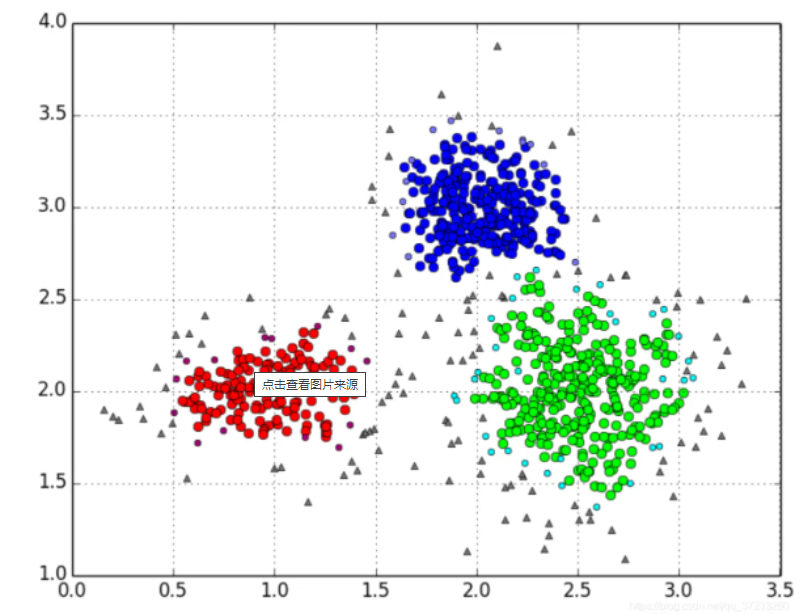
Through the above headlines, I will not talk about the principles of the algorithm in detail. I will only briefly summarize the functional points of machine learning from the author’s superficial understanding: classification and fitting. Through algorithms, a set of data samples are automatically grouped according to characteristics. This is classification, such as clustering algorithms. As shown in the figure below, there is a group of points in the two-dimensional coordinate system. The clustering algorithm can automatically divide this group of points into three groups according to the coordinate relationship.
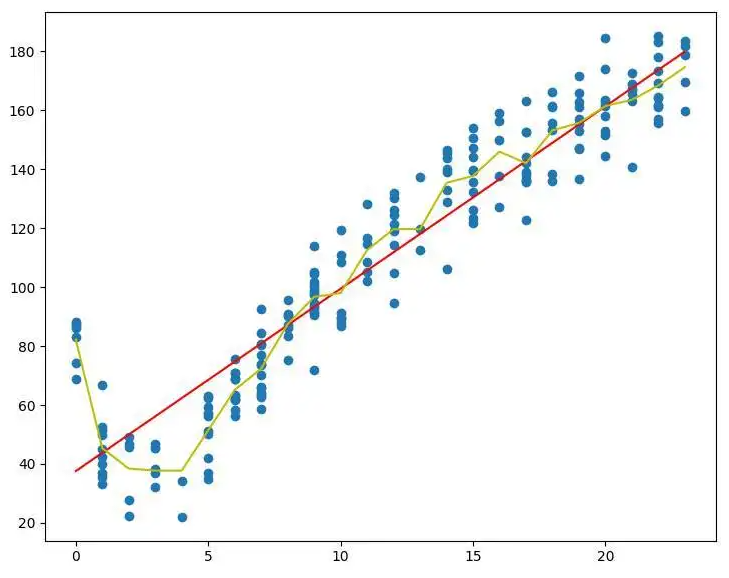
Through the algorithm, the internal relationship of a set of data is automatically established, and other sample points are predicted based on this set of relationships. This is fitting. Regression algorithms, neural networks, etc. should all fall into the category of fitting. As shown in the figure below, the blue ones are our sample points, and the two red and green lines are the regression curves obtained through the algorithm. We can predict the value at any point on these two regression curves based on this regression curve.
Another example is using machine learning to generate structural plans based on architectural plans, which is also a fitting process: acquiring architectural drawings and structural drawings of some previously built projects, training and analyzing them through algorithms, and forming a set of fitting relationships between architectural drawings and structural drawings. If I have a new building plan, then we can predict the structural plan of this building plan based on the previously established fitting relationship. This process is a fitting + prediction process.
今天,我们就通过一个小例子介绍一下机器学习如何运用到我们结构设计中去,希望能够抛砖引玉,给大家一些启发。
Use machine learning to help us configure column reinforcements
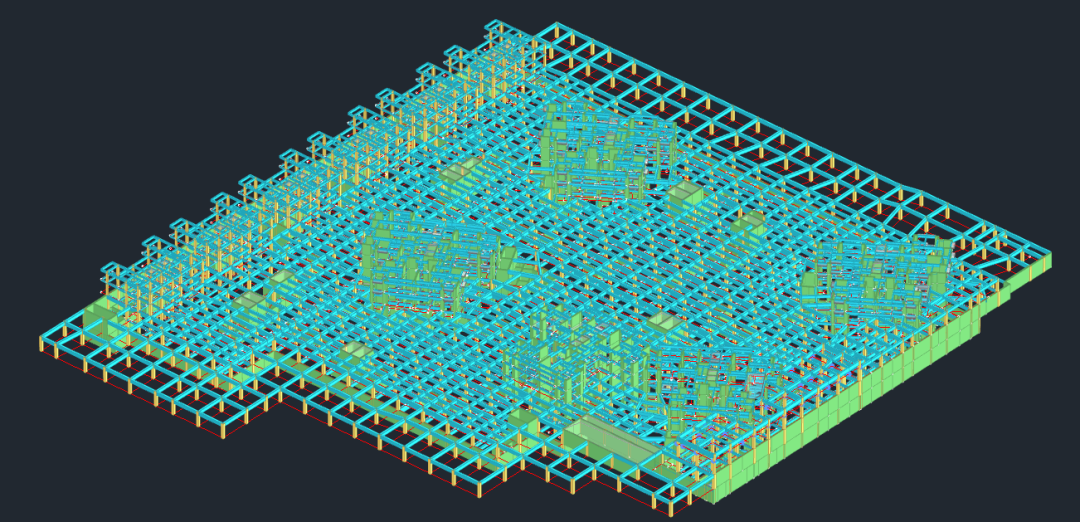
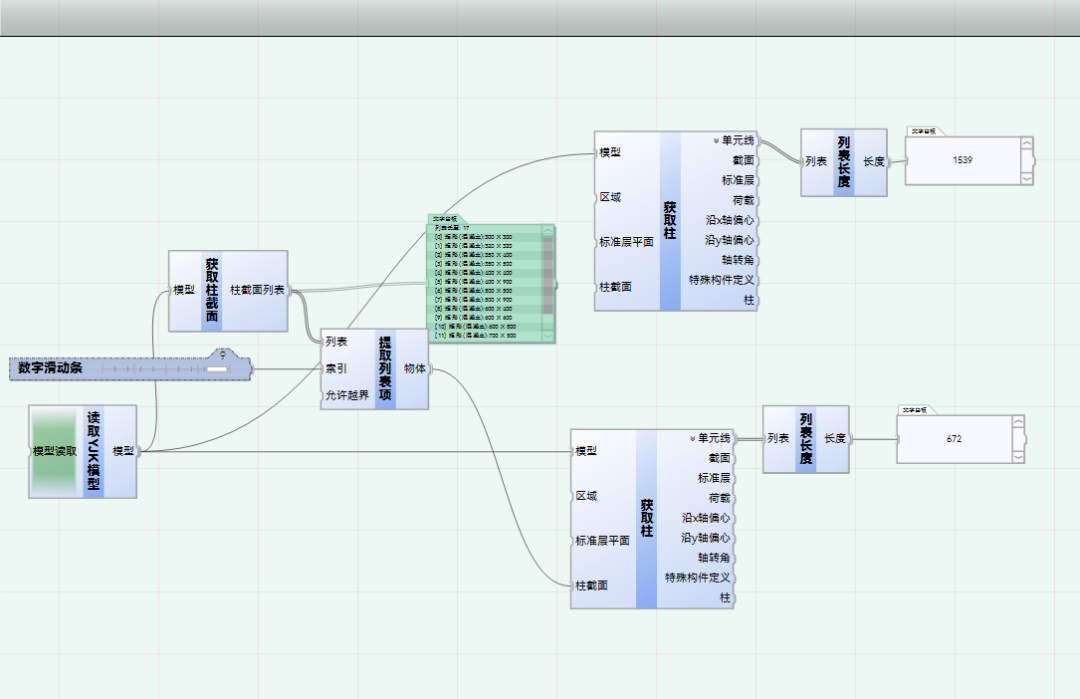
So how can we use machine learning to help us arrange column reinforcements? ! Here, of course, we are not talking about directly generating column construction drawings, but using machine learning algorithms to help us analyze column reinforcement data. When arranging column reinforcements, we often encounter such a problem. When there are many columns with the same cross-section, it is often necessary to merge the column reinforcements based on the calculated area of the column reinforcements, thereby reducing the types of column reinforcements. In the traditional workflow, we have to manually proofread each column, which is time-consuming, labor-intensive, and error-prone. As shown in the picture, there are a total of 1539 pillars in a basement of this size. There are 672 600×600 pillars in total. In the previous design process, we needed to manually verify the reinforcement of each column. The workload of a basement of this size is self-evident.
When it comes to the merging of column reinforcements, this is essentially a simple classification problem. Can we use a clustering algorithm to classify column reinforcements with the same cross-section calculated by the model, so as to quickly merge column reinforcements? Of course it is possible. We can easily obtain the reinforcement data of all 600×600 columns through YJK-GAMA:
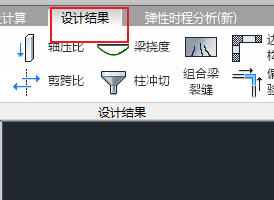
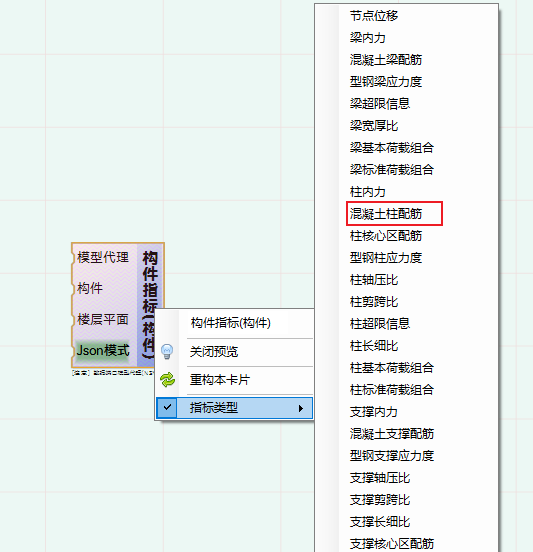
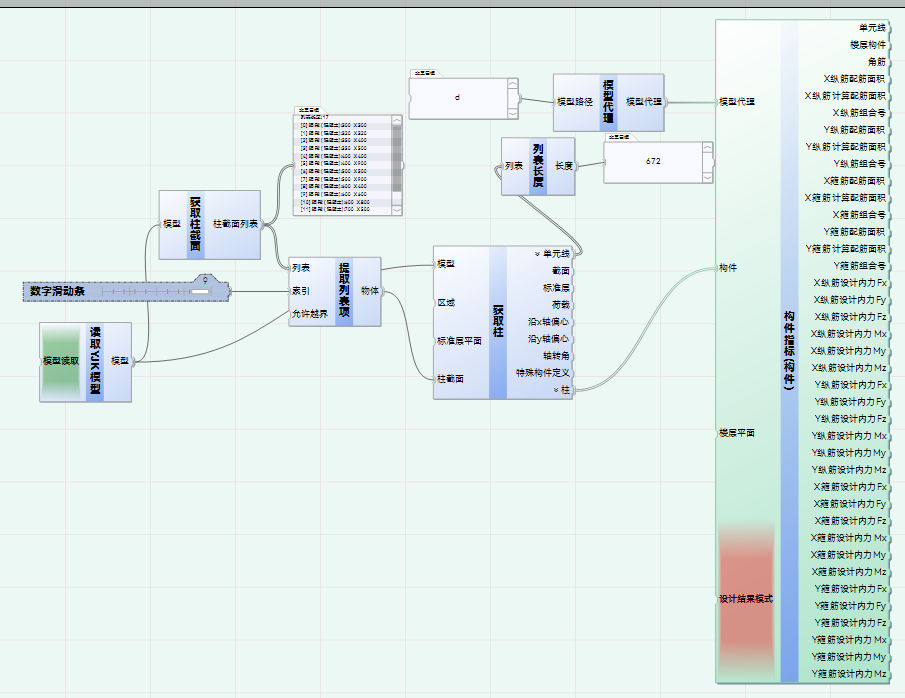
First start Y-GAMA. After calculating the YJK model, switch the interface to the design results interface. Call the component indicator (component) card and switch to column reinforcement mode. Insert the model agent of any path into the model agent entrance, insert the filtered 600×600 column into the component entrance, double-click the Json mode, and switch the card to the design result mode. At this time, we can obtain the reinforcement information of all 600×600 columns.
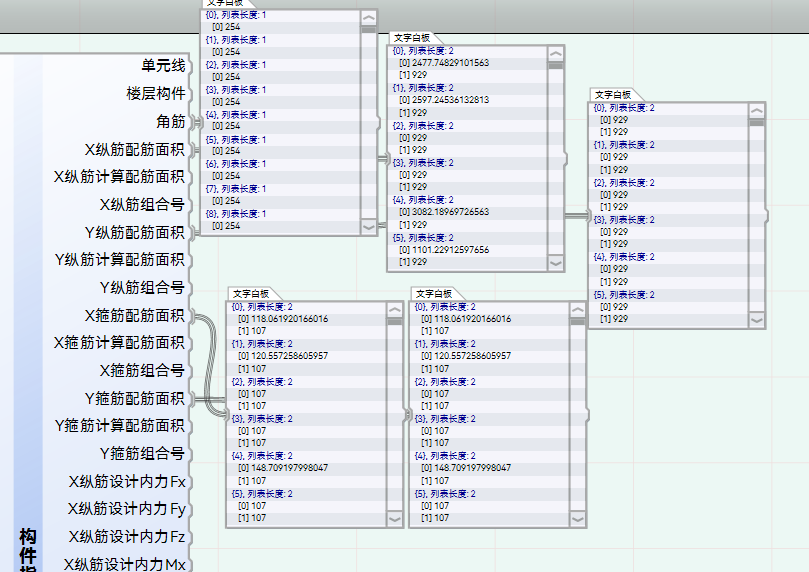
With these data as the basis, we can call the clustering algorithm in machine learning.
Since Y-GAMA currently does not provide the corresponding machine learning module, we need to send the data to grasshopper and analyze the data with the help of the machine learning algorithm in grasshopper’s plug-in Lunchbox. Download link: https://www.food4rhino.com/en/app/lunchbox 我们通过YJK-GAMA与grasshopper的接口卡片,将YJK中获取的柱配筋数据发送至grasshopper。这里发送柱子的角筋,XY向纵筋和箍筋。为了方便预览,还发送柱子的单元线。由于柱的纵筋和箍筋都有两个测站,我们取较大的配筋值作为需要分析的数据。
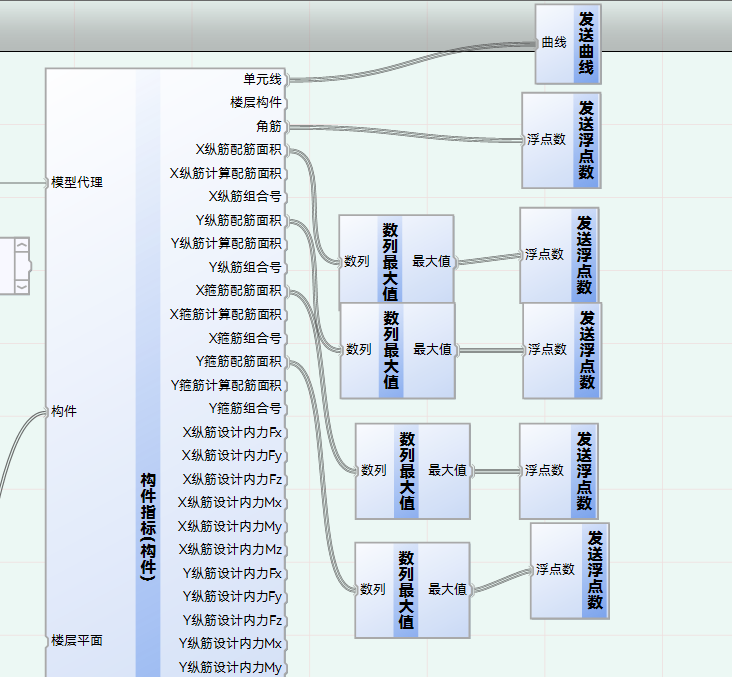
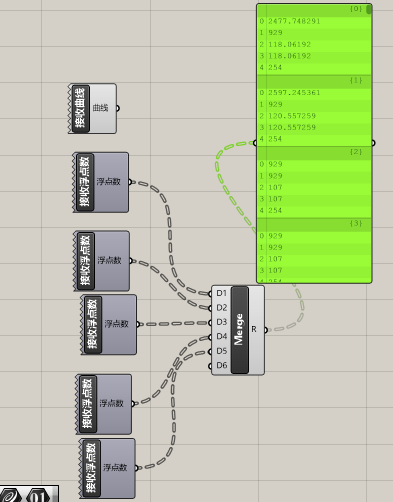
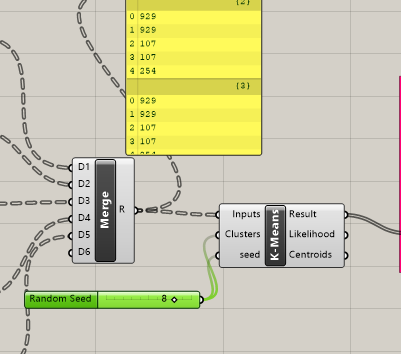
After grasshopper receives the data, we merge all the data to form 672 sample points, and each column is used as a sample.
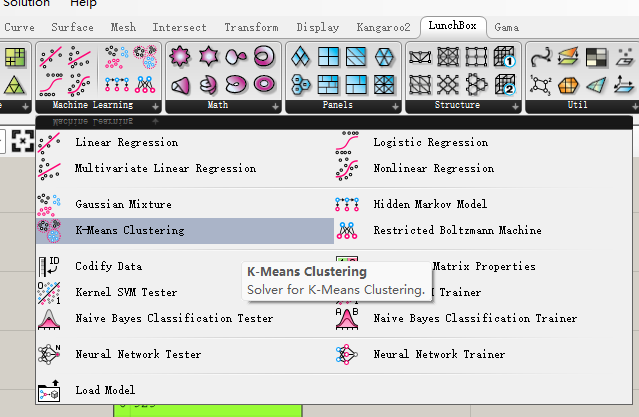
Next, we call the clustering algorithm K-Means in lunchbox.
将训练完的数据接入预览模块:
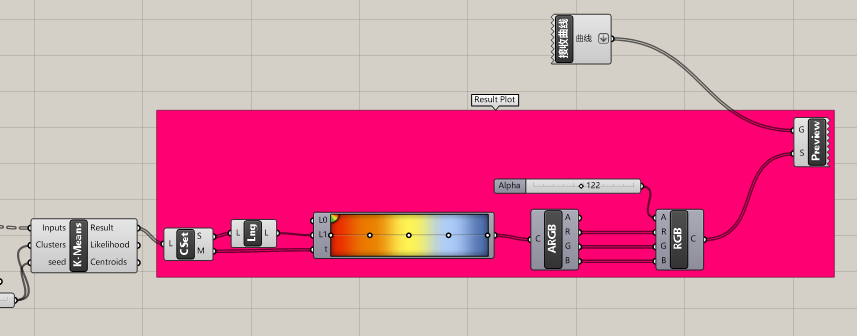
At this point, we can preview the results grouped by the clustering algorithm:
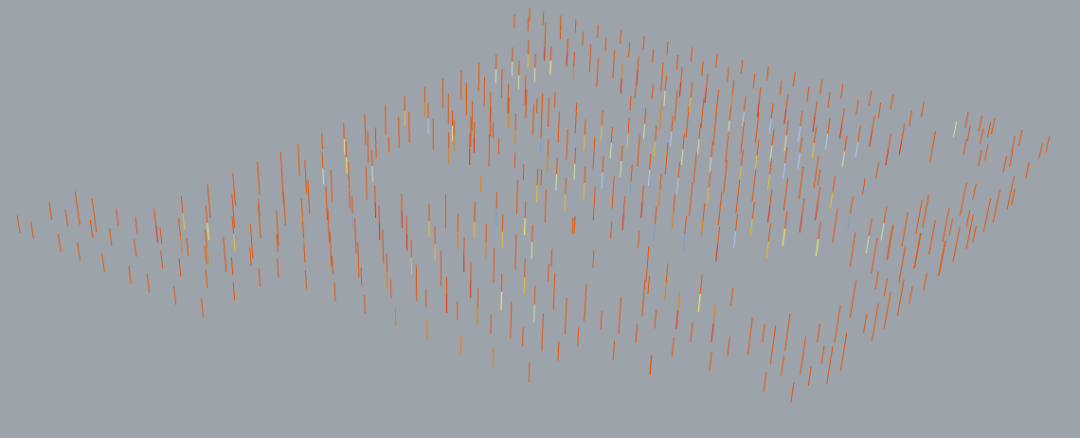
The value obtained by the clustering algorithm is the number of the category to which each column belongs. In this way, we have completed the process of merging all 600×600 columns based on reinforcement. This result can not only be previewed, but also directly interacted with cad drawings or excel tables through YJK-GAMA’s excel interface and cad interface. In this way, we no longer need to laboriously proofread each column. We only need to automatically obtain the classification results based on the results of algorithm analysis, which can greatly improve our work efficiency.
postscript 本文通过这个小案例想告诉大家,机器学习并不是什么神乎其神的技术。追根究底,主要就是两点:分类和拟合。大家可以基于这两点,探讨各种各样的算法在我们结构设计中的应用。
Machine learning requires a large amount of data to support it. In our previous workflow, although YJK’s calculation data contained a variety of data, it was undoubtedly difficult to systematically process all kinds of data. For example, column reinforcement data is stored on the software interface, in CAD drawings, and in each .out file. For ordinary engineers, we can easily get the data of one pillar, but it is difficult to get the data of 1,000 pillars at the same time. With YJK-GAMA, this is no longer a problem. We can easily integrate the modeling data of the model, and we can also easily and systematically integrate the data of the analysis results. Based on various data, combined with the application of algorithms in corresponding scenarios, I believe there will be more mechanical and repetitive tasks that can be gradually replaced by computers.
The digital design we often refer to is not just about digitizing our production results, but also making full use of the value of the data generated during our production process. Only through systematic integration of data can we facilitate systematic analysis and application.
Under the current technical conditions, application scenarios such as letting machine learning algorithms directly help us generate drawings seem to be a seemingly beautiful but actually difficult road. The process that is imagined to be accomplished overnight actually overestimates the power of machine learning and underestimates the complexity of the structural engineering profession. 但根据大量现有的模型和分析结果数据,结合经典的机器学习算法,提高我们结构工程师的工作效率,并没有那么难!
欢迎志同道合的伙伴们加入我们, Let’s do something fun together. Recruitment of cross-border structural engineers | Non-deconstructed digital technology

Contact us “Da Feier”. Join the “Digital Intelligent Design of Building Structures” WeChat exchange group, 一起来交流探讨数字化、智能化等前沿技术 在建筑设计行业中的运用。
Next we will bring you more surprises, stay tuned Let’s go public!
*This document is automatically collected and organized by AI from non-deconstructed public accounts and is for learning reference only. *
Original Source: https://mp.weixin.qq.com/s/HDdT3Aj-H5i0Ircr6uDc5Q
LOADING…